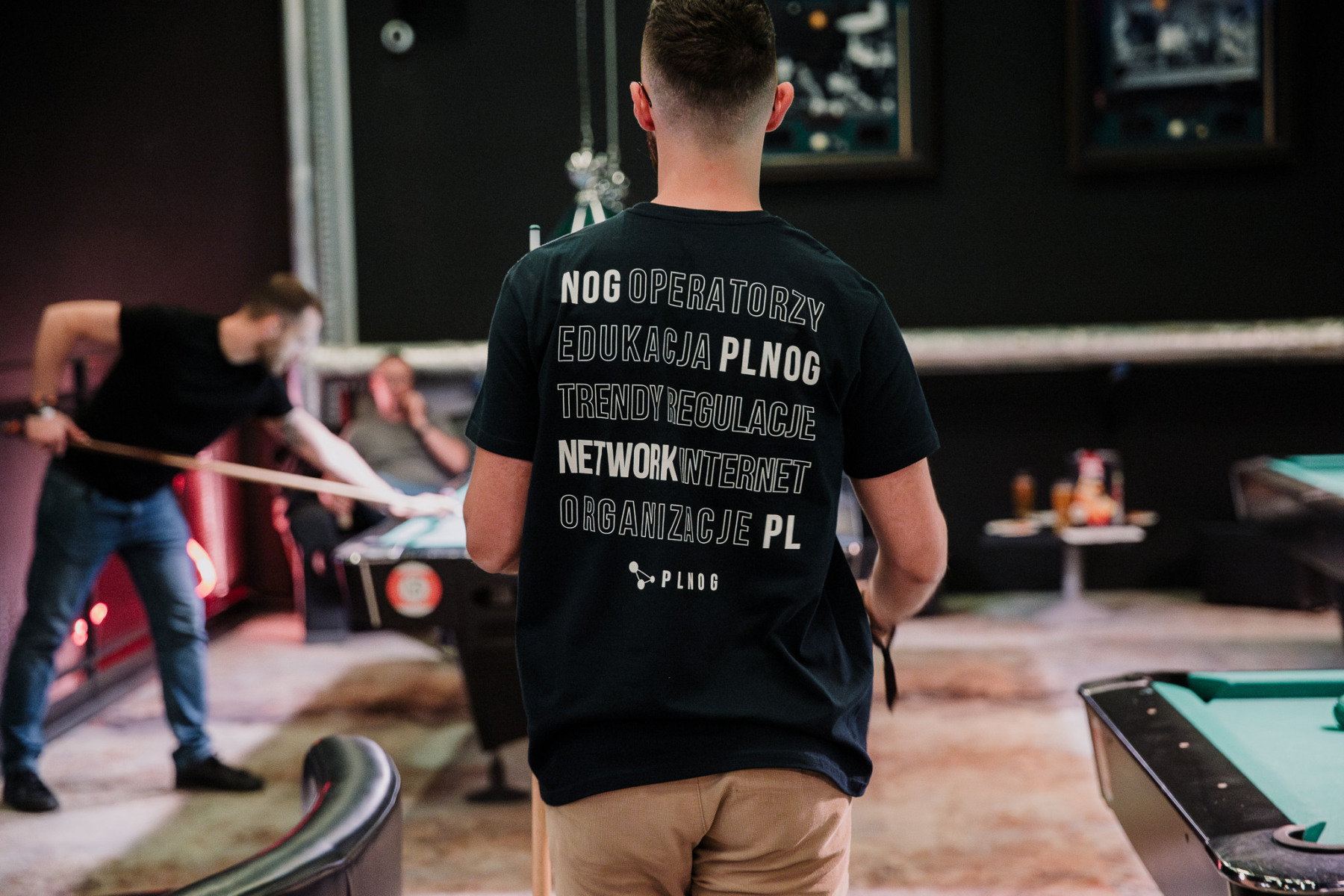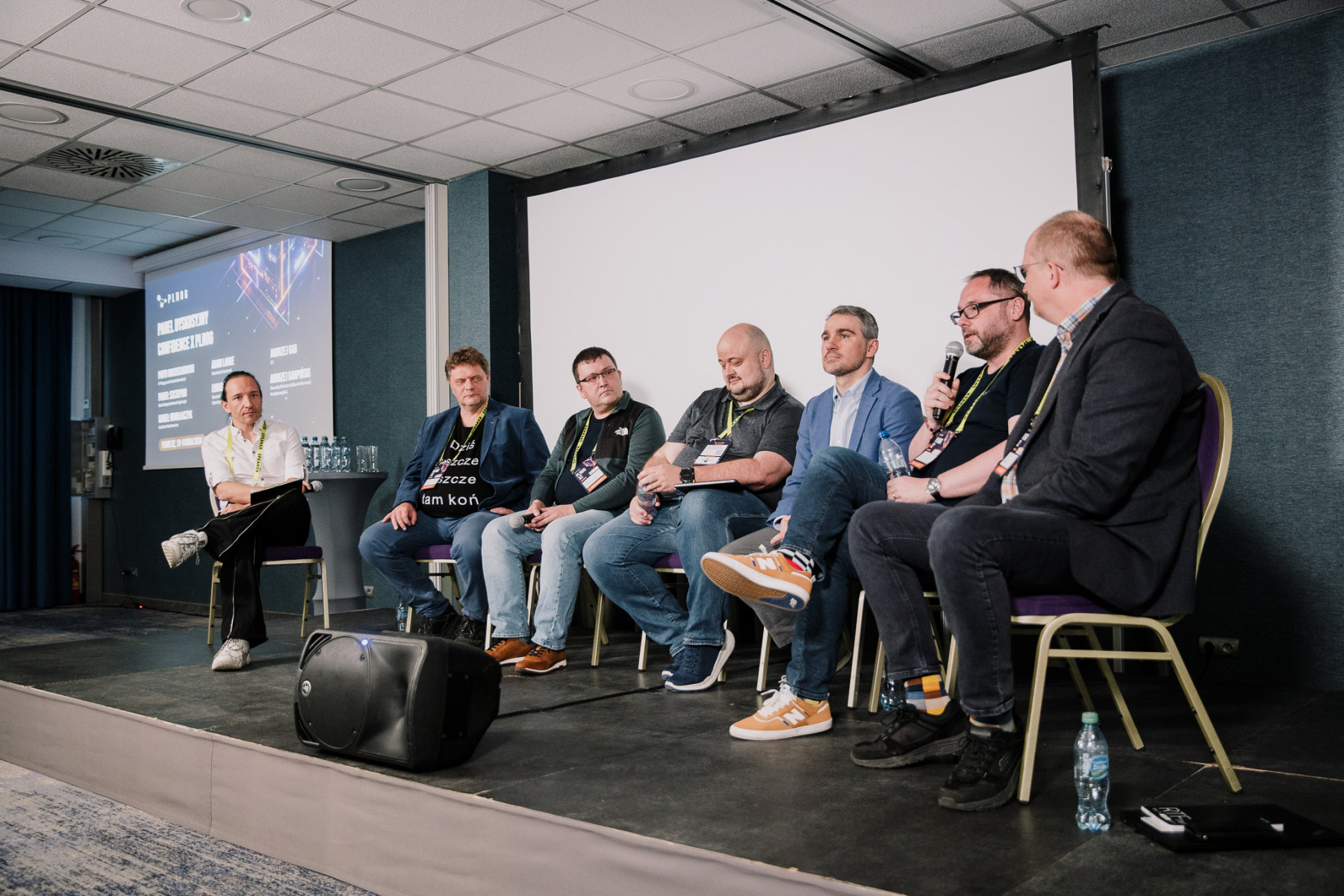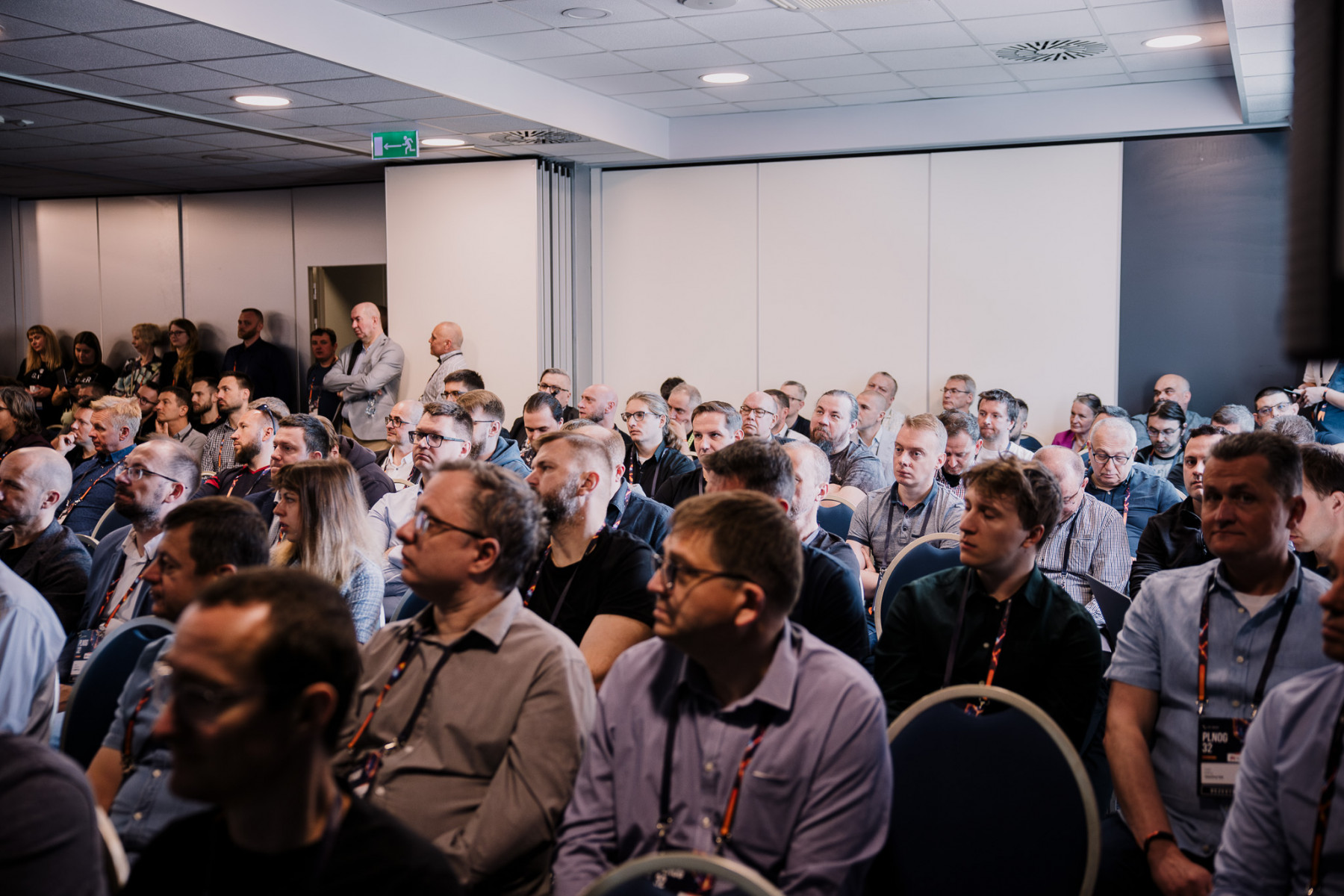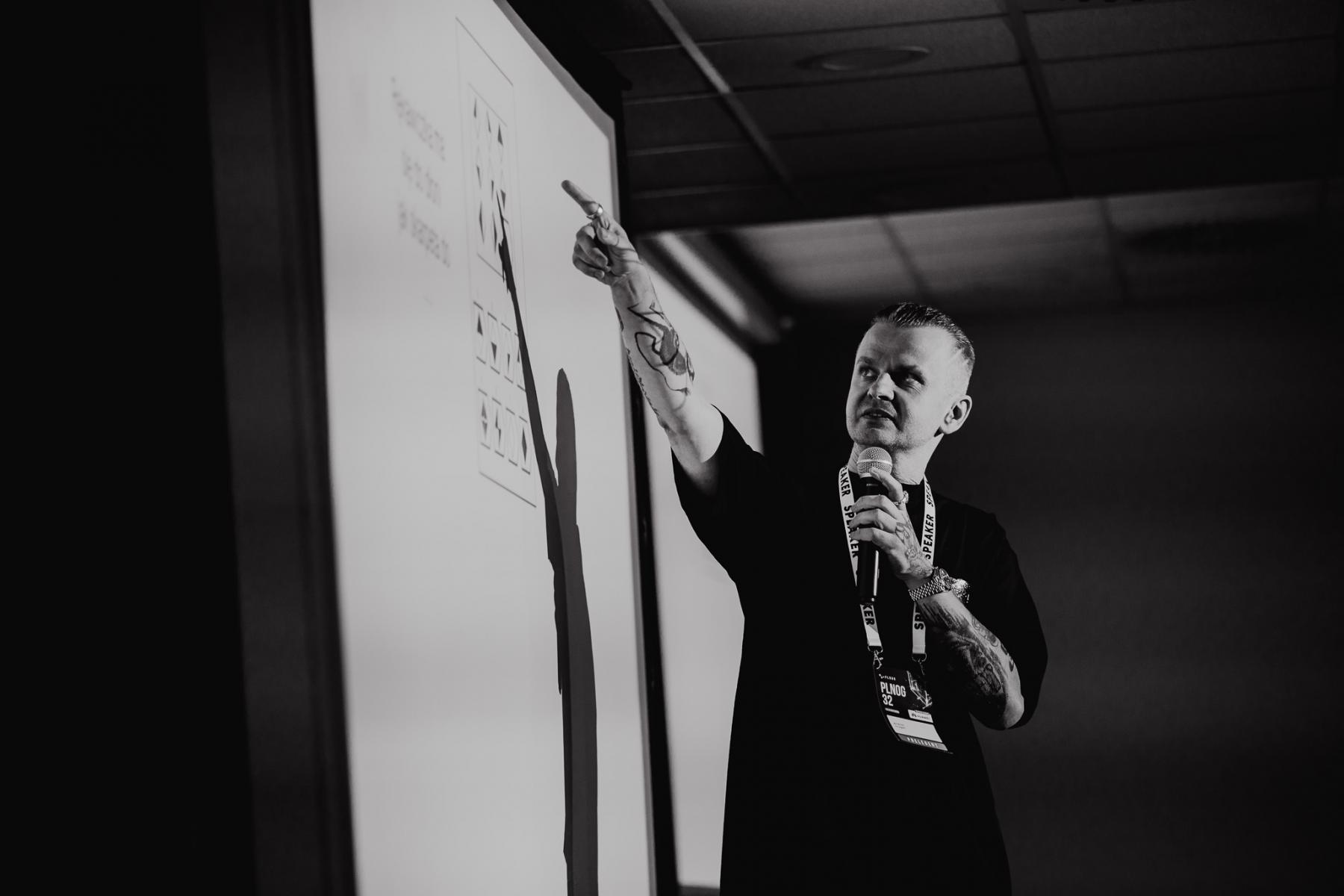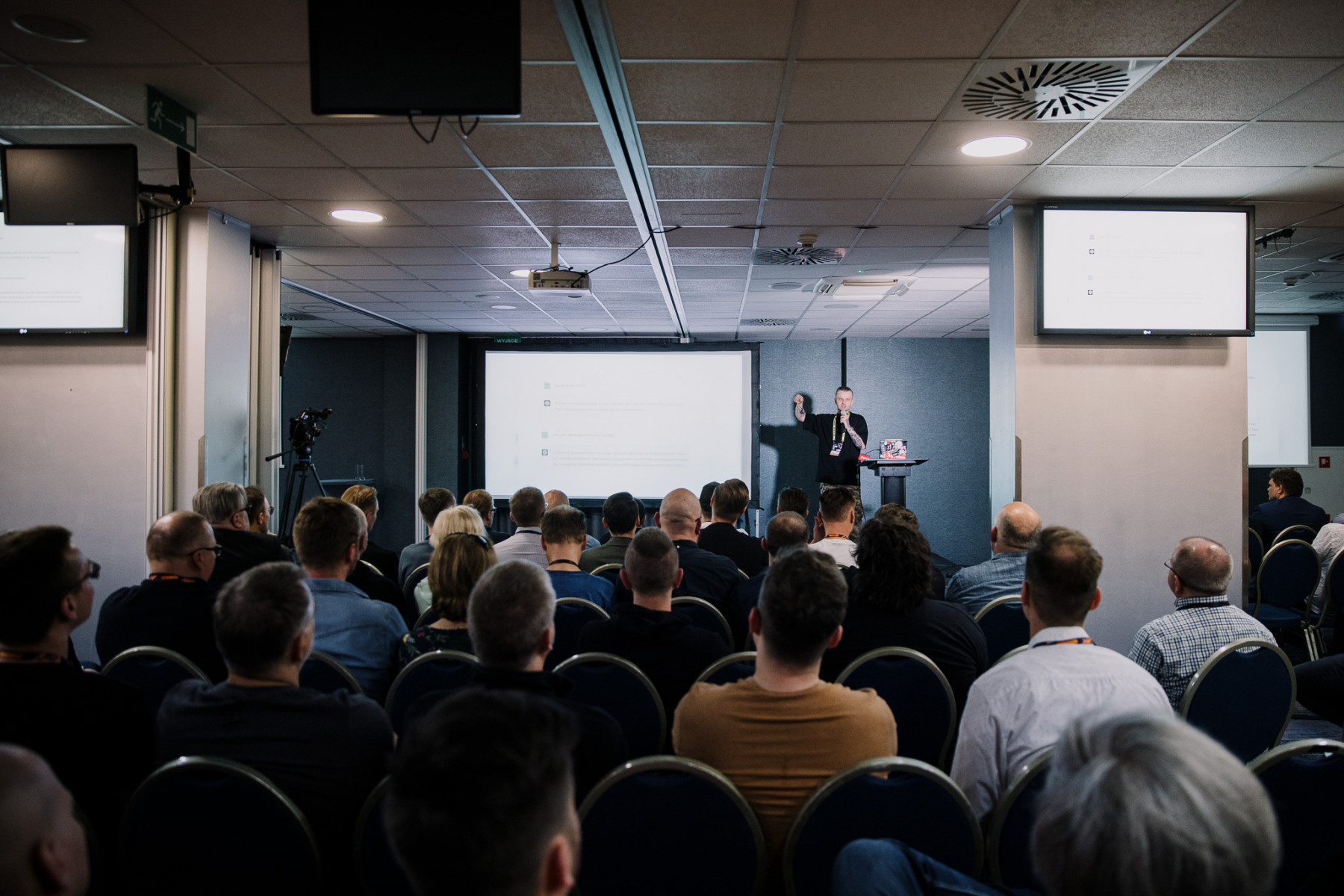


Zapraszamy na 33. edycję konferencji PLNOG, która odbędzie się w dniach 12-13 maja 2025 roku w Hotelu Galaxy w Krakowie! PLNOG to wydarzenie stworzone z myślą o integracji polskich dostawców usług internetowych, operatorów sieci oraz pasjonatów rozwoju rynku ICT i ISP. Od ponad 15 lat konferencja napędza współpracę między przedstawicielami firm teleinformatycznych i telekomunikacyjnych, stając się miejscem, gdzie kształtuje się przyszłość polskiej telekomunikacji i wyznacza technologiczne trendy.
Podczas poprzedniej edycji zgromadziliśmy aż 400 uczestników, zaprezentowaliśmy 26 inspirujących wykładów oraz zorganizowaliśmy 3 panele dyskusyjne. Edycja 2025 zapowiada się jeszcze bardziej ekscytująco! W programie znajdziesz tematy związane m.in. z operatorami, vendorami, peeringiem, regulacjami, przyszłością sieci, sieciami optycznymi, chmurą, bezpieczeństwem oraz edukacją i badaniami. Każdy znajdzie coś dla siebie – niezależnie od tego, czy szuka praktycznych case study, czy wizji przyszłości branży.
Nie zabraknie także keynote speakerów, którzy dostarczą niezapomnianych wrażeń. Podczas PLNOG 32 gościem specjalnym był Andrzej Dragan, a w tym roku również szykujemy wyjątkowe wystąpienia, które z pewnością Cię zainspirują.
Dołącz do naszej społeczności, poznaj najlepszych specjalistów z Polski i ze świata, nawiąż cenne kontakty i bądź częścią przyszłości polskiej telekomunikacji. Zapisz się już dziś na PLNOG 33 i razem z nami twórz nowoczesną sieć kontaktów i wiedzy!
Nie czekaj – zarejestruj się i spotkaj się z nami w Krakowie!
AGENDA
Track 1
Track 2
Track 3
Track 1
Track 2
Track 3
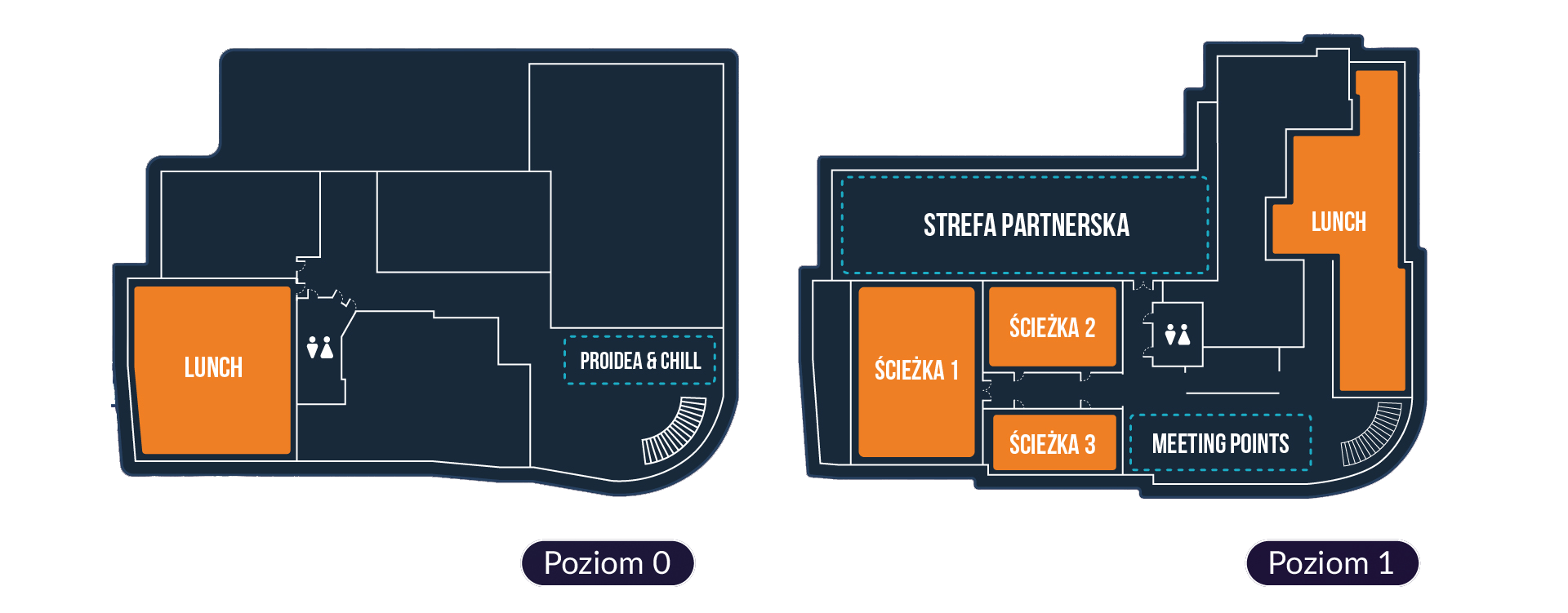
MAPA







AKTUALNOŚCI
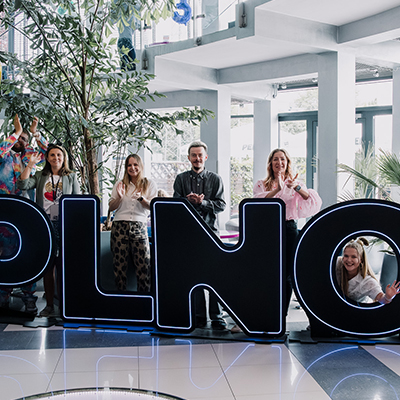
Podsumowanie konferencji PLNOG 2025
W dniach 12–13 maja 2025 roku w krakowskim Hotelu Galaxy odbyła się 33. edycja konferencji PLNOG, uznawanej za jedno z najważniejszych wydarzeń branży telekomunikacyjnej i ICT w Polsce. Wydarzenie zgromadziło[…]
Read more
Kim są uczestnicy PLNOG 2025? Poznaj profil naszego audytorium
Konferencja PLNOG od lat przyciąga ekspertów i liderów branży, tworząc przestrzeń do wymiany wiedzy, budowania relacji i kształtowania przyszłości polskiego internetu. W 2025 roku kontynuujemy tę tradycję, a profil naszych[…]
Read more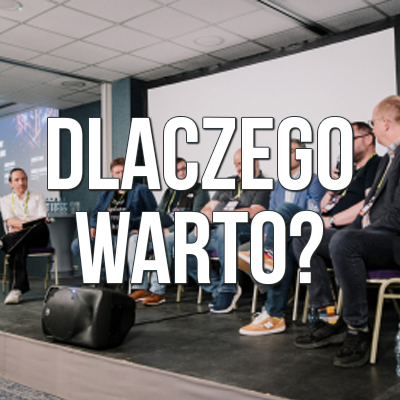
Dlaczego udział w PLNOG 2025 to strategiczna decyzja biznesowa?
Już 12–13 maja 2025 roku w Krakowie odbędzie się 33. edycja konferencji PLNOG – wydarzenia, które od wielu lat kształtuje rynek telekomunikacyjny oraz ICT w Polsce i jest najważniejszym eventem[…]
Read moreGALERIA